Sample Guide for Layout Testing
A multi-section sample guide used to develop and verify the table of contents sidebar.

This is a sample guide built to test the new sidebar table of contents. It contains several top-level sections and nested subsections so the navigation, scroll spy, and anchor scrolling can all be verified before real content is added.
Getting started
Every guide begins with a brief orientation. The goal of this section is to introduce the reader to the topic and outline what they will walk away with after reading.
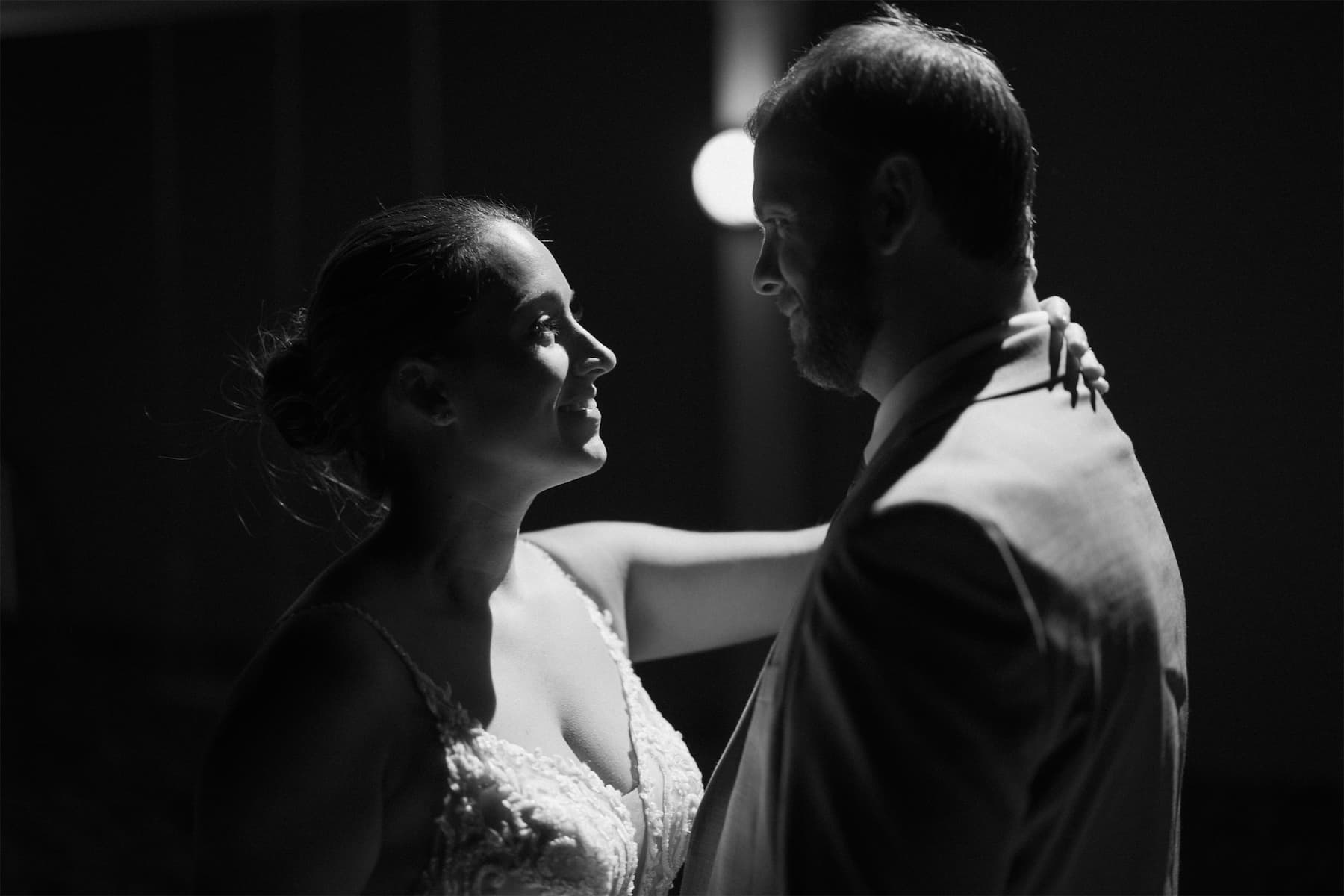
A useful guide gives the reader something practical they can apply on their own wedding day. Keep paragraphs short and let each section earn its place.
Why sections matter
Breaking a long guide into clearly named sections does two things. It helps the reader scan quickly to find what they need, and it gives the table of contents something meaningful to display.
How to read this guide
You can read top to bottom, or jump straight to whichever section is most relevant to where you are in your planning.
Preparing for the day
The week leading up to a wedding sets the tone for everything that follows. A few small habits make a meaningful difference in how the photos turn out.
Sleep and hydration
The camera picks up on rest. Two good nights of sleep before the day will do more for your photos than anything you buy.
Skin and grooming
Whatever your normal routine looks like, keep it normal. The day before is not the time to try a new product or a new haircut.
A short timeline
Build in buffer between events. Twenty minutes of slack across the day prevents the kind of rush that shows up on faces.
On the day itself
The morning of the wedding is a series of small handoffs. Knowing the order in advance lets you stay present.
Getting ready
Choose a room with one large window and as little clutter as possible. The light will do most of the work.
First look
A first look is optional but worth considering. It changes the emotional shape of the day in ways that are hard to predict in the abstract.
Ceremony
During the ceremony, focus on each other. The photographer will move; you should not.
After the ceremony
The hours after the ceremony are when the album really comes together. Family, portraits, and reception all happen in quick succession.
Family portraits
A short list of must-have groupings, agreed in advance, saves twenty minutes of standing around.
Couple portraits
Fifteen minutes alone, away from the crowd, is usually enough. Trust the photographer to pick the spots.
Reception
By the time you reach the reception, most of the work is done. From here, the photos take care of themselves.
Closing thoughts
A wedding is a long day, and the photos are a record of how it actually felt. Anything that helps you stay present helps the photos. That is most of the advice in this guide, condensed.