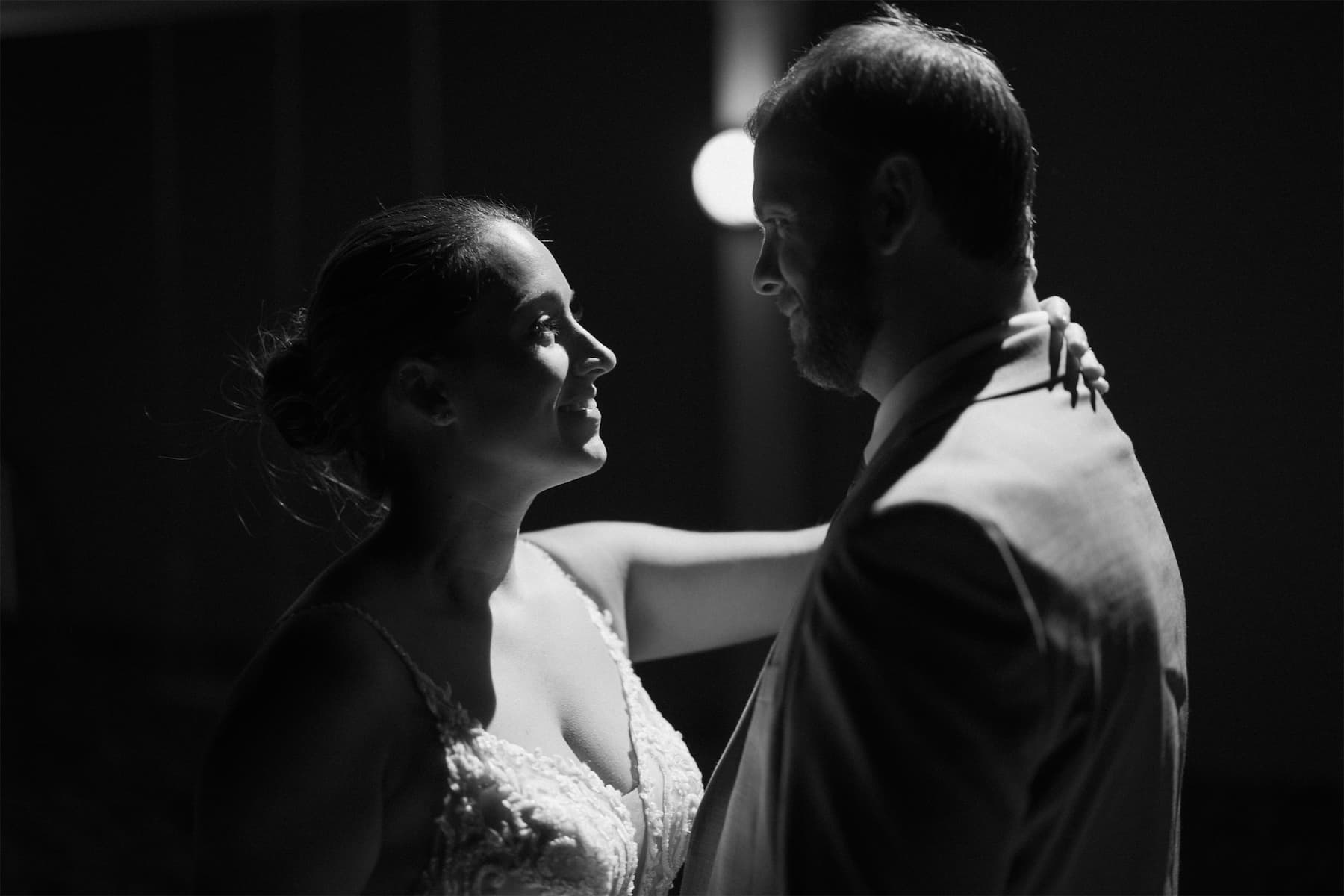
Your Getting Ready Guide: Tips for a Smooth, Photogenic Start to Your Wedding Day
Everything I have learned about making your getting-ready morning run calmly, look beautiful on camera, and feel like the beginning it deserves to be.

The morning of your wedding is one of the most overlooked parts of the entire day. It is where the anticipation lives: laughter with your closest people, quiet moments before the day takes over, and the final details that make everything feel real. Some of my favorite images from every wedding come from this window of time.
This guide contains everything I have learned about making your getting-ready process run smoothly, look good in photographs, and feel calm for you. Read it through once with your partner, then come back to it as you finalize your timeline.
1. Choose Your Space Wisely
The space you get ready in shapes the feel of the morning and the photographs that come from it.
Prioritize natural light. Large windows make a real difference. Soft, indirect daylight is the most flattering light there is, and it costs nothing. A bright hotel suite or a sun-filled room at home will almost always photograph better than a dim space with overhead lighting. For the best results, turn off the overhead lights entirely. Mixed light — natural window light combined with lamps or overhead bulbs — tends to create uneven skin tones in photographs.
Make sure there is room to breathe. You, your wedding party, your hair and makeup team, and your photo and video team will all share this space. A cramped room means cramped photos and an uncomfortable start to the day. Airbnb properties are worth considering. They tend to have more interesting backgrounds, better light, and more space to spread out. If you prefer a hotel, ask whether they have a dedicated bridal suite rather than booking a standard room.
Designate a junk corner. Suitcases, garment bags, snack wrappers, phone chargers, and discarded socks all belong in one out-of-frame spot. A tidy background keeps the focus on you and your people.
2. Build a Timeline with a Buffer
A rushed morning is the most common reason couples feel stressed before the ceremony.
Coordinate with your hair and makeup artists. Ask them honestly how long they need per person, then add 15 to 30 minutes of cushion. Share the final timeline with your photo and video team so we know exactly when to arrive for the moments that matter: final touches, getting into your attire, the first look, and so on.
The one-hour rule. Aim to be fully dressed at least one hour before you leave for the wedding. This buffer gives you a relaxed window for portraits without anyone feeling rushed out the door.
Eat real food. Have light, non-messy options on hand throughout the morning. Fruit, pastries, sandwiches, or a small charcuterie tray work well. Not eating, combined with a lack of sleep and high adrenaline, makes for a long and uncomfortable afternoon. Remember to hydrate too.
3. Gather Your Details Ahead of Time
When I arrive, one of the first things I photograph is your details — the small meaningful items that tell the story of your day. Having them gathered in one place, like a small box or basket, saves a significant amount of time.
For the Bride
- Dress, hung on a wooden or fabric hanger (avoid plastic)
- Veil and any hair accessories
- Shoes
- Every piece of jewelry: earrings, necklaces, bracelets, both wedding bands, and your engagement ring
- Perfume bottle
- The full invitation suite: save-the-date, invitation, RSVP card, and envelopes
- Bouquet, if delivered early
- Any sentimental items: borrowed or blue items, family heirlooms, letters, or a gift for your partner
For the Groom
- Full suit or tuxedo (jacket, trousers, and vest if applicable)
- Shirt, tie, or bowtie
- Shoes, socks, and cufflinks
- Watch and wedding band
- Boutonniere, if delivered early
- Cologne bottle
- Written vows, letters, or a gift for your partner
4. Hair, Makeup, and Personal Touches
A trial is worth the investment. It is where you discover that the lipstick you loved actually feathers, or that the updo does not hold the way you hoped. Better to find that out in advance than on the morning itself.
Keep your face open and bright. Hairstyles that fall across or close to your eyes can cast shadows and make your eyes appear darker in photographs. Talk with your stylist about styles that keep your face visible.
Be intentional with eye makeup. Dramatic looks can be beautiful, but very dark liner combined with heavy lashes can make your eyes harder to read in photographs, particularly when you are laughing and your eyes naturally narrow. Find a balance that feels like you but lets your eyes show.
Setting spray matters more than most people realize. It keeps everything in place through hugs, tears, dancing, and humidity, and prevents makeup from transferring onto everyone you embrace. Waterproof mascara is equally important. Happy tears are almost certainly coming.
Match your whites. Compare your veil and dress in daylight before the wedding. They do not need to match exactly, but a sharp white veil over an ivory dress will read as mismatched in photographs.
Wear a button-down or zip-up. Pulling a t-shirt over a finished face and updo is a slow-motion problem. Wear something easy to remove to your hair and makeup chair.
5. Suit and Style Tips
Get the fit and construction right. A classic fit photographs and moves better than a very slim one. A well-constructed half or full canvas jacket paired with high-rise trousers drapes naturally whether you are walking, sitting, or dancing. You will be wearing this for twelve or more hours, so comfort matters. For more detail on all of this, see the Groom's Guide to Classic Tailoring.
Match your whites carefully. A stark, blue-toned white shirt next to an ivory or cream dress will make the dress look yellow in photographs. Try to bring a small fabric swatch of the dress when shopping for your shirt. When in doubt, a soft natural white is almost always safer than a bright optic white.
Take care of the small things. Brush your eyebrows and trim your nails. Get a fresh haircut about five to seven days before the wedding so it has time to settle. Small grooming details show up clearly in close-up photographs.
Empty your front pockets. Phones, wallets, and keys create visible lumps in trousers that show in every full-length photograph. Hand them to a groomsman, parent, or planner before formal portraits.
Manage your buttons. Unbutton your jacket when you sit and re-button when you stand. Never button the bottom button on a single-breasted jacket. If you are wearing a double-breasted jacket, it can stay buttoned even when seated.
Talk to your florist about your boutonniere. A well-chosen boutonniere is one of the details that genuinely elevates a suit or tuxedo. That said, they take a lot of wear over the course of a wedding day: hugs, embraces, and hours of movement can loosen petals or bend stems in ways that show up in photographs. When you meet with your florist, ask specifically about more robust designs. Tighter, compact arrangements using hardy flowers or greenery tend to hold up better than delicate open blooms. A good florist will know exactly what works for a long day and can steer you toward something that looks as good in the last photograph as it does in the first.
Final check. Steam or press your shirt and suit the night before. Shine your shoes.
6. The Small Details That Make a Difference
Posture. Imagine a string tied to the crown of your head pulling gently upward. Keep your chin slightly down and let your shoulders rest naturally. Forcing your shoulders back can make them appear narrower on camera and disrupts the drape of a well-tailored suit. Standing naturally tall reads as more confident in photographs than an exaggerated stance.
Eyewear. If you wear glasses, know that reflections and certain prescriptions can affect how your eyes read on camera. Contacts or non-prescription frames are an option, but many people wear their everyday glasses on their wedding day and look exactly right.
Skip the chewing gum. Avoid it for the formal portions of the day, and ideally the whole day. Mints work just as well and do not interrupt candid shots.
Build an emergency kit. Hair pins, hair spray, mints, deodorant, safety pins, a small sewing kit, a stain-remover pen, blotting papers, lip balm, and pain relievers. Hand it to your maid of honor or planner.
7. Set the Mood
The energy in your getting-ready room comes through in photographs more than most people expect.
Make a playlist. Calm, energetic, or full of throwbacks — choose whatever fits your morning. Music changes the feel of a room.
Start the day with intention. If you are not keeping to the tradition of staying apart all morning, consider a quiet breakfast or a few minutes alone with your partner before the day gets busy. It is a grounding way to start before everything accelerates.
Ask the room to stay present. Your wedding party is there to celebrate with you. A gentle ask to put phones away sets a more connected tone for the morning and tends to lead to better photographs too.
Consider matching attire. Matching robes or pajamas for the wedding party photograph well and create natural candid moments.
8. Leave Room for a Few Meaningful Moments
A gift or letter exchange. Writing a letter to each other or exchanging small gifts is a way to share a private moment across the morning. Those are some of the most honest, unguarded photographs I take all day, because no one is performing for the camera. They are just feeling something real. Reading those words or opening something thoughtful can make seeing each other for the first time — whether at a first look or at the ceremony — feel more settled and more significant.
A toast. Champagne, whiskey, espresso, or mocktails. Once everyone is nearly ready, gather for a quick toast. It reliably produces some of my favorite images from the day.
A first look. First looks are not only for couples. A first look with a parent, sibling, or child gives you a private moment to absorb the day before the ceremony begins. These tend to be among the most unguarded photographs of the entire wedding.
Gifts for your wedding party. Taking a few minutes to give gifts to your bridesmaids or groomsmen creates a natural moment of connection before the ceremony. The reactions are almost always genuine and worth photographing.
A Final Note
Trust your vendors. Trust your timeline. Trust the morning to be what it is.
The photographs I return to most are not of perfect makeup or pristine suits. They are of unguarded moments: a room full of laughter, a quiet breath before stepping into a dress, a groom focused on adjusting his cuffs, a shared look with a parent. The most honest images happen when you are relaxed enough to let the morning unfold without managing it.
This morning is yours. Soak it in.
Questions about any of this, or want to walk through your specific timeline? Send me a message anytime.